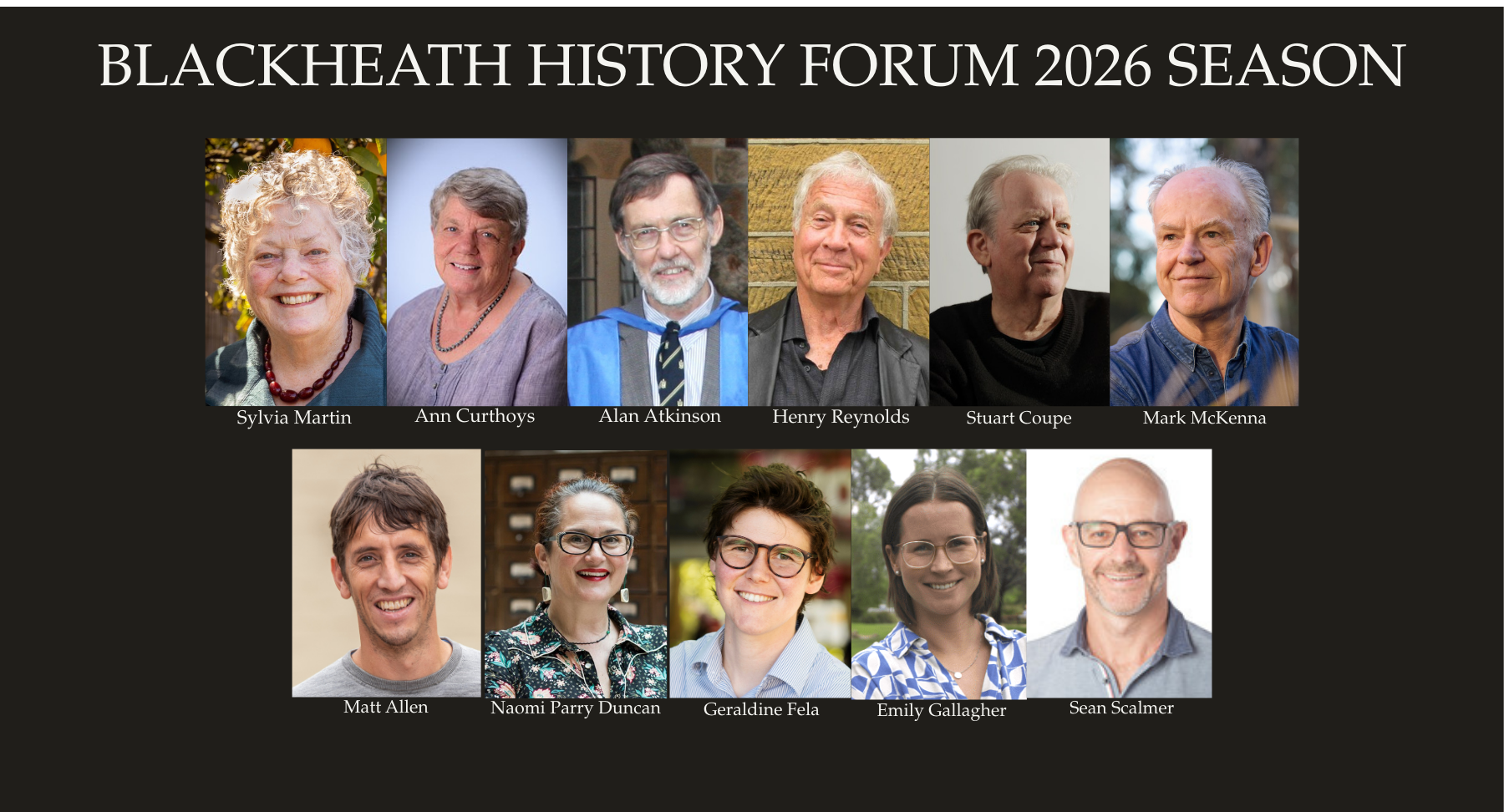
2026 Speakers
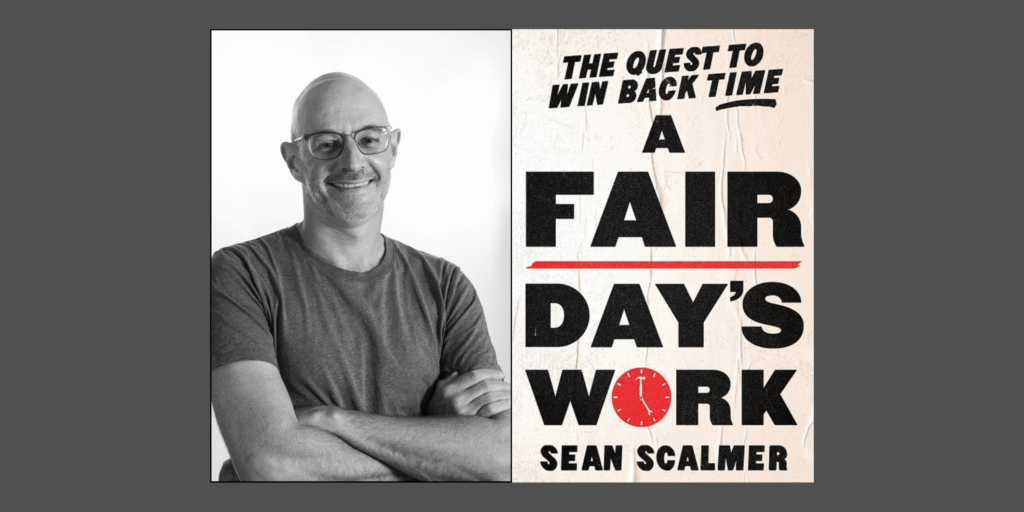
Sean Scalmer – A Fair Day’s Work: An Australian History
The length of the working day and the challenges of work-life balance are pressing issues for many Australians, as well as lively matters of public controversy. In this talk, Sean Scalmer surveys the history of the struggle over working time, from the battles that secured an eight-hour day and a full weekend, to contemporary conflicts over the right to disconnect and working from home. The talk will chronicle significant changes, seek to explain these shifts in working time, and contemplate the possibilities and obstacles to future change.
Sean Scalmer is the author of seven books in Australian and transnational history, including most recently: A Fair Day’s Work: The Quest to Win Back Time (2025). He is a Professor of History at the University of Melbourne.
Pub talks – $15 (includes one drink),
Book through Humanitix or pay at the door. Eftpos and cash are accepted.
Enjoy interesting conversation along with good food and drink at Gardner’s Inn, Blackheath, the oldest continuously licensed hotel still trading in the Blue Mountains. After the talk stay for a meal at one of the best Pub Food locations in the area; their Beef & Guinness Pot Pie is a signature treat.
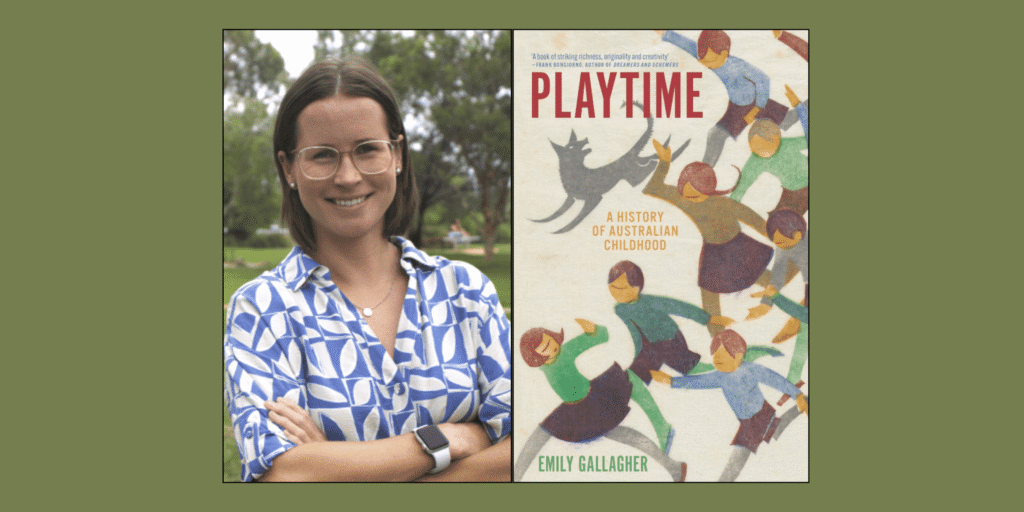
Emily Gallagher – Playtime: A History of Australian Childhood
Sat, 24 Oct, 4pm – 6pm Blackheath Public School
Wattle fairies, talking magpies, excursions to the South Pole, unbreakable dolls, flesh-eating monsters, and toddler kings. Is there anywhere the childhood imagination cannot take us? In her recent book Playtime, Emily Gallagher explores children’s play and imaginative lives in the half-century before the Second World War. Often overlooked in Australian history, children were a significant demographic group throughout this period, and they deserve to be taken seriously as historical subjects. This talk will explore some of the creative and surprising ways that young people navigated their changing world. It is a story about young dreamers and aspiring journalists, old schoolrooms and backyard cubbies, war and modernity, and the enduring power of the imagination to defy the routine and powerlessness of everyday life.
Dr Emily Gallagher is a historian at the Australian National University. She began her career as a teacher in Sydney before deciding to pursue her passion for history and writing in Canberra. Playtime: A History of Australian Childhood (La Trobe, 2025) is her first book. Emily is also a research editor for the Australian Dictionary of Biography and a research fellow on an ARC-funded project writing the first history of grandparenting in Australia.
Book through Humanitix or pay at the door. Eftpos and cash are accepted.
Hall Entry: $10 Waged; $5.00 Unwaged,
Afternoon tea from 3.30pm ($3 coffee/tea, $3 cake)
History Week 2026 Event
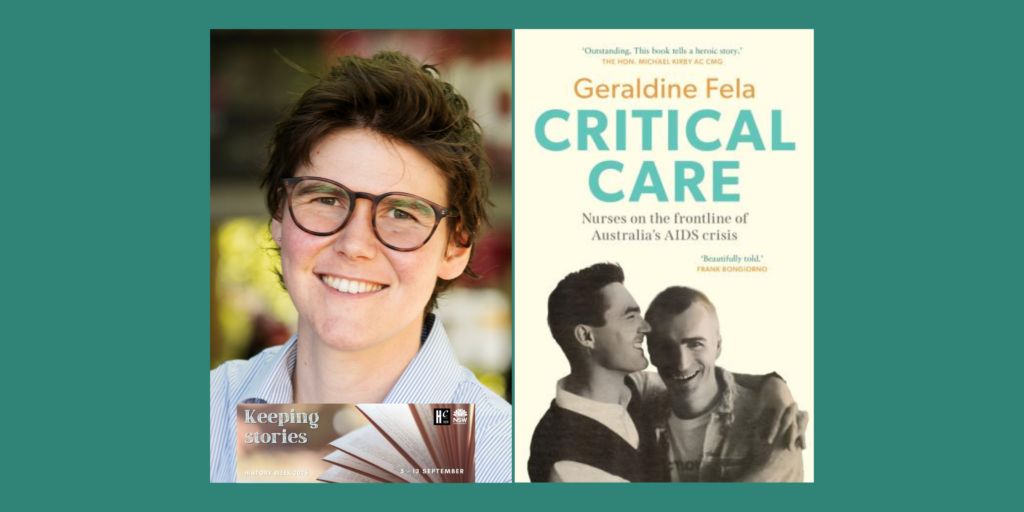
Geraldine Fela – Blood Politics: Nurses and Australia’s AIDS crisis
In the 1980s and 1990s, HIV and AIDS devastated communities across Australia. In the midst of this profound health crisis, nurses provided crucial care to those living with and dying from the virus. They negotiated homophobia and complex family dynamics and defended the rights of their patients. Bringing together stories from across the country, Critical Care: Nurses on the frontline of Australia’s AIDS crisis unearths the important and unexamined history of nurses and nursing unions as caregivers and political agents who helped shape Australia’s response to HIV and AIDS.
Dr Geraldine Fela is a Postdoctoral Research Fellow in the School of Humanities at Macquarie University, Sydney, Australia. Her research and teaching traverses histories of gender and sexuality, labour, social movements and medicine. Her first book, Critical Care: Nurses on the frontline of Australia’s AIDS crisis was published by UNSW Press in July 2024. In 2025, Critical Care was awarded the Prime Minister’s Literary Award in the category of Australian history, and was shortlisted in the NSW History Awards.
Pub talks – $15 (includes one drink),History Week 2026 – Keeping Stories
Australians are renowned for spinning a good yarn but how do stories keep history alive and what do they tell us about ourselves?
We are living in a rapidly changing world, of global conflict and heightened security concerns, at the same time we are facing a crisis in university education and the domestic pressure to develop our cities and towns to create more housing. How do we keep the stories that matter to our communities? History Council members are invited to engage with this theme during this year’s History Week from 5 – 13 September, to explore the theme of Keeping Stories – from truth telling to tall tales and beyond. For what is history if not the story of us?
Book through Humanitix or pay at the door. Eftpos and cash are accepted.
Enjoy interesting conversation along with good food and drink at Gardner’s Inn, Blackheath, the oldest continuously licensed hotel still trading in the Blue Mountains. After the talk stay for a meal at one of the best Pub Food locations in the area; their Beef & Guinness Pot Pie is a signature treat.
History Week 2026 Event
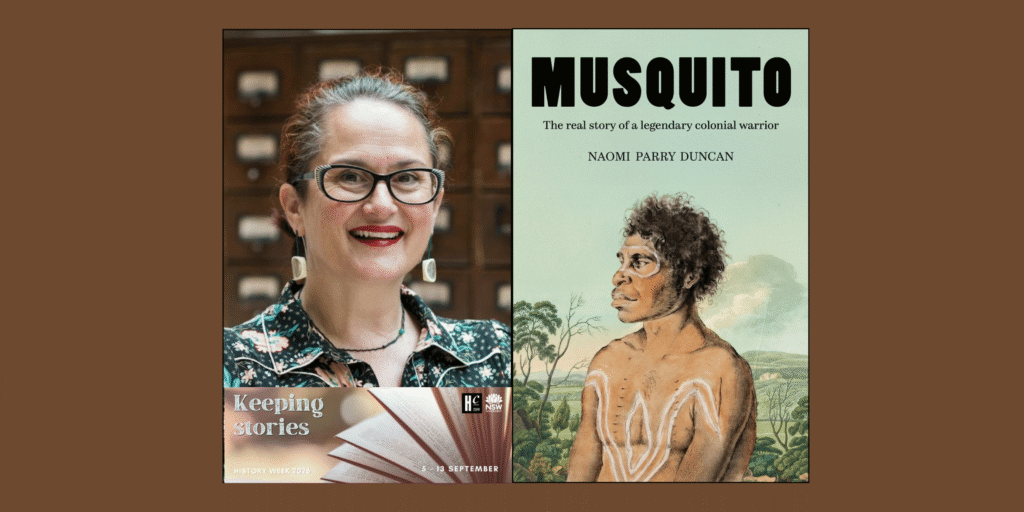
Naomi Parry Duncan – Writing the Life of Musquito
Naomi Parry Duncan has uncovered the dramatic and tragic story of one of the best-known First Nations resistance warriors of the early colonies. Astonishingly, she also discovers her own convict ancestors are entangled in his story. Musquito was just a boy when a convoy of eleven British ships assembled in the waters of Port Jackson in January 1788. Seventeen years later, he was a warrior fighting for Country west of Sydney, hunted by white colonists. Exiled to Van Diemen’s Land he joined with local Aboriginal people as they began the resistance that ignited the colonists’ Black War. Wrongly accused of being the ringleader, he was executed in 1825. Musquito is one of the best-known First Nations resistance fighters of the early colonies but even while he was alive, his story was shrouded in misinformation and myth. Naomi Parry Duncan has uncovered the real story of this remarkable man. Searching the archives for the smallest fragments of evidence, she realised the lives of convicts in her family tree intersected with Musquito in disturbing ways.
Naomi Parry Duncan specialises in First Nations history and family history. She grew up in Tasmania and is president of the History Council of NSW, and an adjunct researcher at the University of Tasmania and Western Sydney University. She is co-author of New South Wales and the Great War, and winner of the 2022 Hazel Rowley Literary Fellowship.
History Week 2026 – Keeping Stories
Australians are renowned for spinning a good yarn but how do stories keep history alive and what do they tell us about ourselves? We are living in a rapidly changing world, of global conflict and heightened security concerns, at the same time we are facing a crisis in university education and the domestic pressure to develop our cities and towns to create more housing. How do we keep the stories that matter to our communities? History Council members are invited to engage with this theme during this year’s History Week from 5 – 13 September, to explore the theme of Keeping Stories – from truth telling to tall tales and beyond. For what is history if not the story of us?
Book through Humanitix or pay at the door. Eftpos and cash are accepted.
Hall Entry: $10 Waged; $5.00 Unwaged,
Afternoon tea from 3.30pm ($3 coffee/tea, $3 cake)
Matt Allen – Toasting democracy: the ‘national banquets’
Sun 9th Aug 2026, 4:00 pm, Gardner’s Inn, Blackheath,
Toasting democracy: the ‘national banquets’
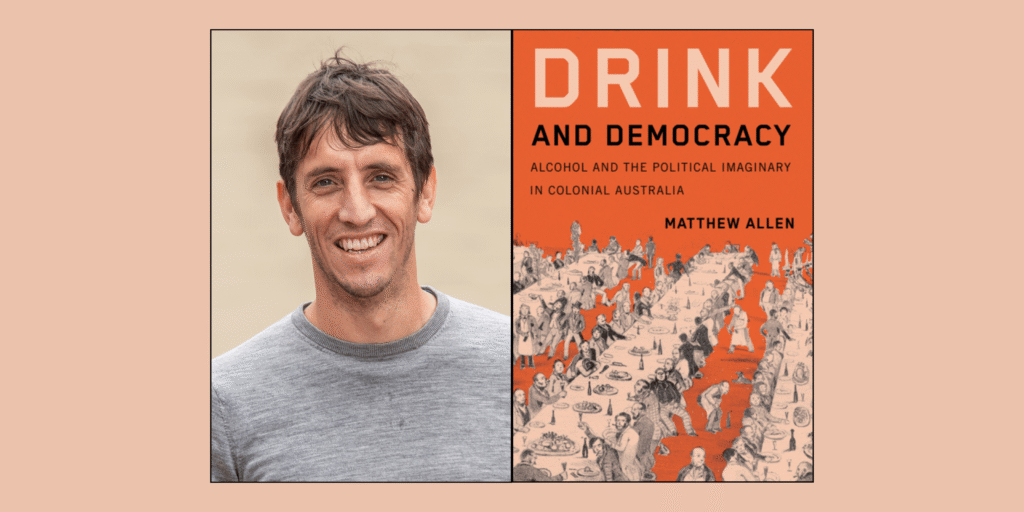
During the 1850s, a series of mass public dinners were held in the newly ‘responsible’ Australasian colonies, broadly, to celebrate democracy. Hundreds of newly enfranchised men dined together, sometimes also witnessed by an audience of ladies, who watched, but neither dined nor drank. After eating, this model public celebrated the privilege of their citizenship in a series of hierarchical toasts that honoured specific men as individuals, and ‘the ladies’ as an ideal. I use these banquets to illustrate the arguments of my recently published monograph, Drink and Democracy, arguing that toasting rituals can help explain the political imaginary of colonial Australia.
Dr Matthew Allen is a Senior Lecturer in Historical Criminology at the University of New England. His research is concentrated on early New South Wales and its unique transition from a penal colony to a settler colonial democracy, and much of his work has focussed on using alcohol as a means to understand the political imaginary that underlay this transformation. He has just completed his first monograph: Drink and Democracy: Alcohol and the Political Imaginary in Colonial Australia (McGill-Queen’s University Press, 2025)
Pub talks – $15 (includes one drink), Sunday 6 April 2025 4 pm
Book through Humanitix or pay at the door. Eftpos and cash are accepted.
Enjoy interesting conversation along with good food and drink at Gardner’s Inn, Blackheath, the oldest continuously licensed hotel still trading in the Blue Mountains. After the talk stay for a meal at one of the best Pub Food locations in the area; their Beef & Guinness Pot Pie is a signature treat.
Mark McKenna – Writing the Shortest (and longest) History Of Australia
The history of Australia has been written before – but not like this.
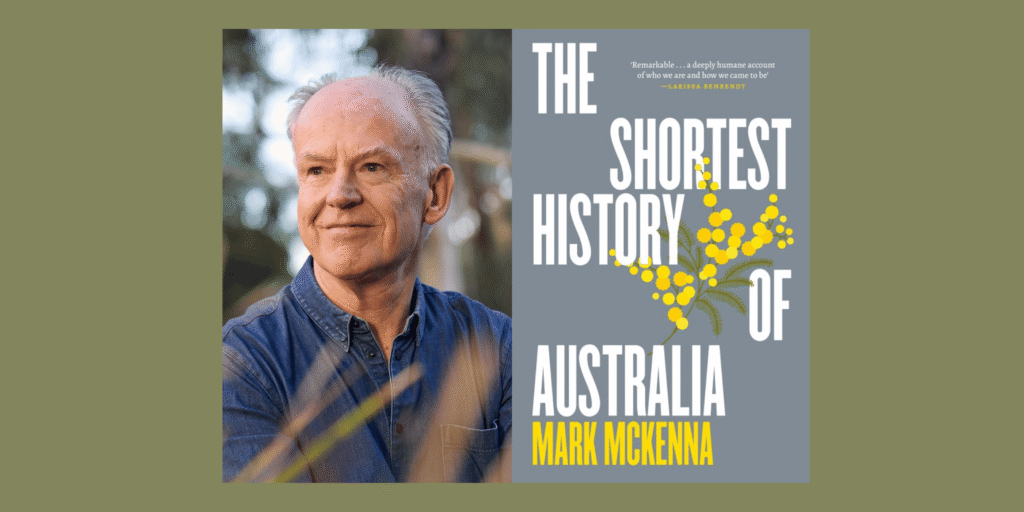
In this talk, Mark McKenna explains the challenges and dilemmas he faced when writing his Shortest History of Australia published by Black Inc. in November 2025. From the approach and structure of the book, to decisions about content and themes, illustrations and epigraphs, including what to leave out and what might have been, Mark walks us through the short (and the long!) of Australian history.
Mark McKenna is one of Australia’s leading historians. His book, Return to Uluru (Black Inc. 2021) was shortlisted for the Prime Minister’s Prize for Australian History. From the Edge: Australia’s Lost Histories (MUP, 2016) won the NSW Premier’s Prize for Australian History. An Eye for Eternity: The life of Manning Clark (MUP 2011) won five national awards, including the Prime Minister’s Prize for Non-Fiction. He is also the author of Looking for Blackfellas’ Point (UNSW Press),which won the Book of the Year and the Douglas Stewart Prize for Non-Fiction in the 2003 NSW Premier’s Literary Awards. His latest book is The Shortest History of Australia (Black Inc. 2025)
Stuart Coupe – Saffron Incorporated
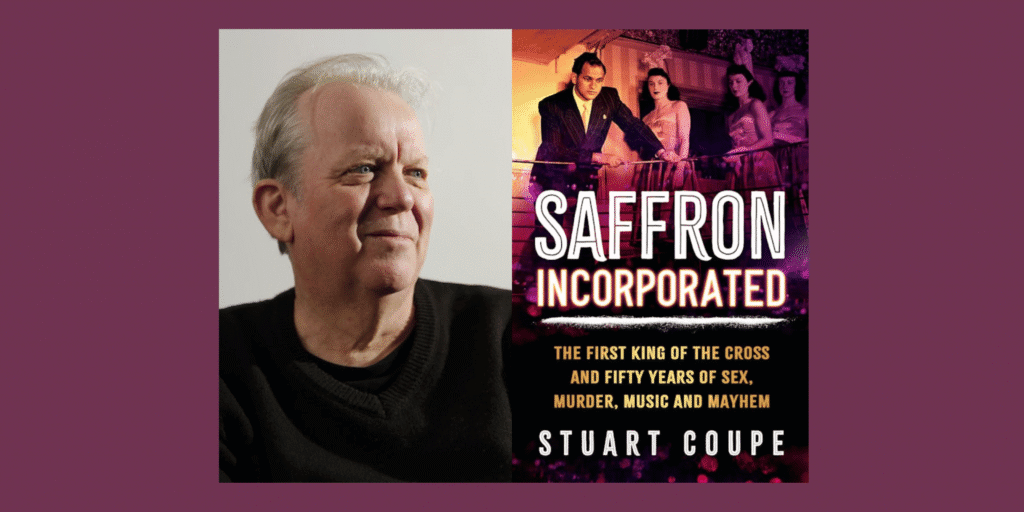
Music industry legend Stuart Coupe shows how show business and the underworld are intrinsically linked – nightclubs, corrupt cops, drugs, vice, rock’n’roll promoters, dodgy accountants and gangland shootings – and it was Abe Saffron, the original King of the Cross, who laid the foundations for more than fifty years of intrigue, murder and mayhem.
Stuart Coupe is an author, music commentator, independent artist publicist and radio broadcaster who has been involved with music all his life. Amongst the books he has written, edited or collaborated on are The New Music (1980), The New Rock ‘n’ Roll (1983), The Promoters (2003), Gudinski (2015), Tex (2017), Roadies (2018) and Paul Kelly, the Man, the Music and the Life In Between (2021), which was shortlisted for Biography Book of the Year at the Australian Book Industry Awards.
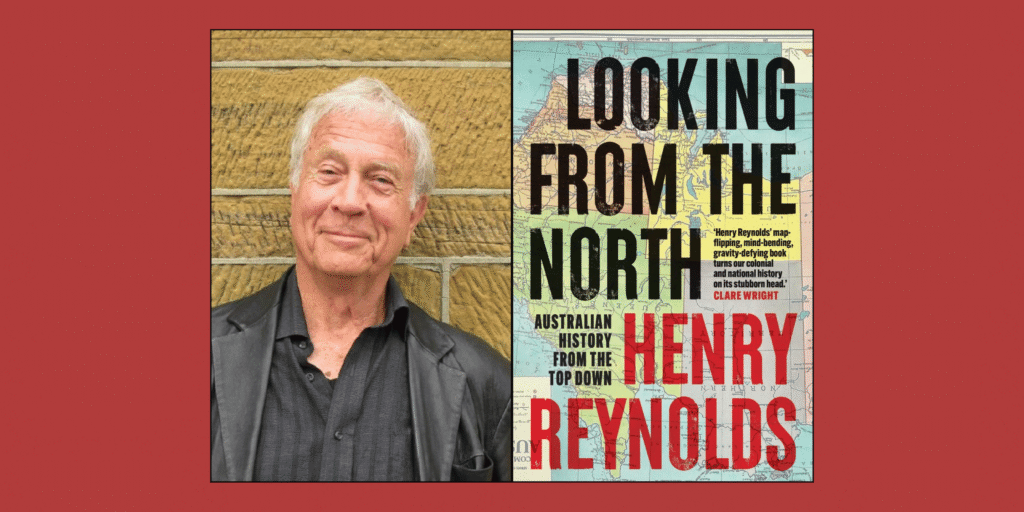
Henry Reynolds – Looking from the North: Australian history from the top down
NOTE: while school talks are usually on Saturdays, this talk was on SUNDAY.
In Looking from the North, Henry Reynolds again turns Australian history on its axis with an exploration of colonisation north of the Tropic of Capricorn. Reynolds tells the stories of the European, Chinese, Japanese and Pacific Islander people who were vital to the settlement of the north. Along with the experience of First Nations peoples, from employment on stations and as native police to the land rights and homelands movements, Reynolds shows how the colonisation of the north, officially beginning in 1861, was a very different venture to settlement in the south. He argues that it provides profoundly important lessons for the world we live in today.
Henry Reynolds’ trailblazing work has changed the way we see the intertwining of black and white history in Australia. His books include The Other Side of the Frontier (reissue); What’s Wrong with Anzac? (as co-author); Forgotten War, which won the Victorian Premier’s Award for Non-Fiction; Unnecessary Wars; This Whispering in Our Hearts Revisited; Truth-Telling: History, Sovereignty and the Uluru Statement; and, most recently, Tongerlongeter: First Nations Leader and Tasmanian War Hero (as co-author).
Shortlisted, Victorian Premier’s Literary Awards 2026, Non-Fiction
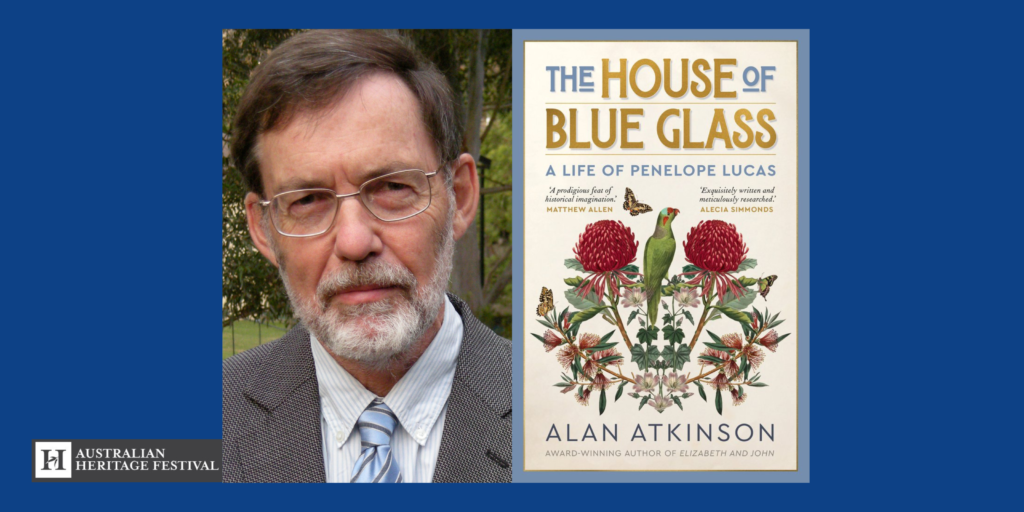
Alan Atkinson – Skin of the Frog: Mind, Habitat and Past Lives
Acclaimed historian Alan Atkinson – author of the award-winning Elizabeth and John: The Macarthurs of Elizabeth Farm – pieces together the life of Penelope Lucas and the pivotal role she played in building the Macarthur empire. While she is known as the family governess, Atkinson reveals that Penelope was primarily an accountant whose bookkeeping work made an important difference to the Macarthurs’ success.
“In the last ten years I have written two books of biography, Elizabeth and John (2022) and The House of Blue Glass (2026). With both of them I’ve been playing around with the question of subject(s) in context. How do you position a human being so to take best account of their mental, emotional and intellectual universe? I have also wanted to concentrate absolutely on relationships, or rather on relationality. So, how is all that best done?”
Alan Atkinson taught Australian history in several universities (mainly the University of New England) and is now retired and living in South Australia. His books include Camden: Farm and Village Life in Early New South Wales, The Commonwealth of Speech, the three volumes of The Europeans in Australia, Elizabeth and John and most recently The House of Blue Glass. He has always been interested in the internal dynamics of family life, in subjectivity and in conscience, and in the business of getting old(er).
There’s an interview about Elizabeth and John here.
An Australian Heritage Festival Event.
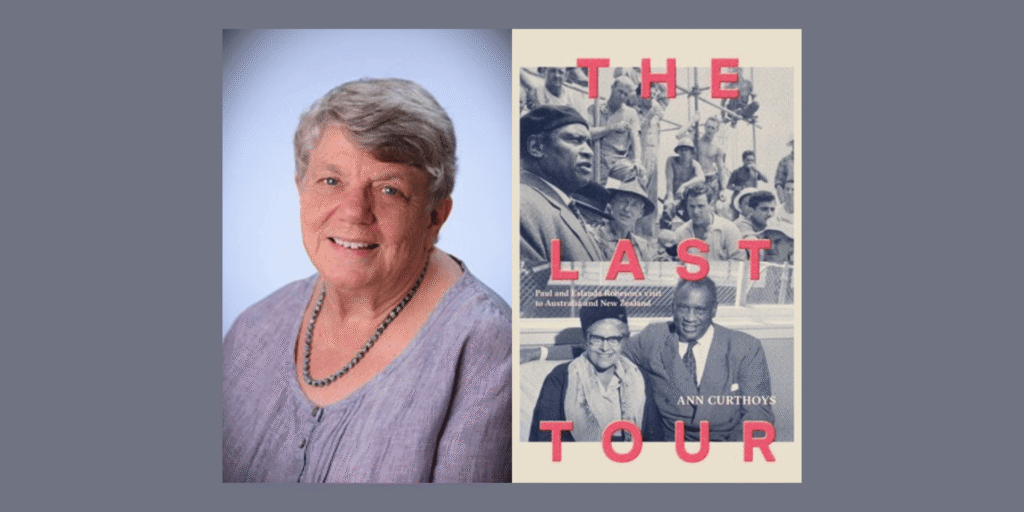
Ann Curthoys – The Last Tour: Paul and Eslanda Robeson’s visit to Australia in 1960
When World War 2 broke out in 1939, Paul Robeson was probably the most famous African American in the world, best known for his beautiful singing voice, his rendition of popular songs such as Ol’ Man River, his performance in a series of movies set in Africa, and his outspoken support for socialist, civil rights, and anti-colonial causes. His wife, Eslanda, was a writer and journalist, with a special interest in Africa. During the Cold War, their passports were confiscated for eight years. Finally, in 1960, they came to Australia and New Zealand for a hugely successful concert tour, which also involved Paul singing to thousands of workers (including at the Opera House building site and them both supporting Aboriginal political struggles. Exploring this tour gives us an excellent window into Australian political and cultural history.
An interview on ABC Sunday Extra 13 July 2025 is here:
Ann Curthoys is a historian who has written on many aspects of Australian history in a transnational and imperial frame and on questions of historical theory and writing. Her books include Freedom Ride: A Freedomrider Remembers; (with John Docker) Is History Fiction?; (with Ann McGrath) How to Write History that People Want to Read; (with Jessie Mitchell), Taking Liberty: Indigenous Rights and Settler Self-Government in Colonial Australia, 1830 – 1890; and most recently The Last Tour: Paul and Eslanda Robeson’s Tour of Australia and New Zealand. She is currently working on a history of domestic violence in Australia.
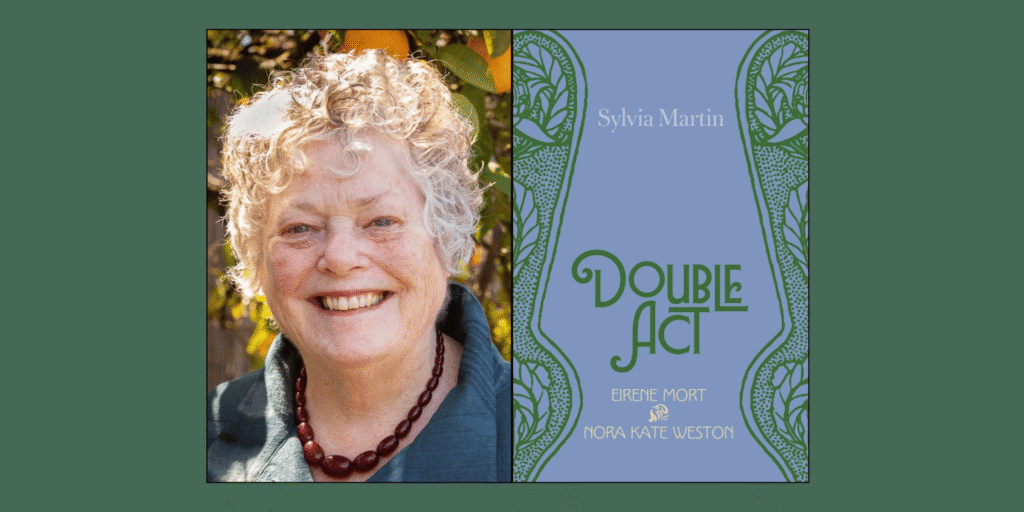
Sylvia Martin – Double Act: Eirene Mort and Nora Kate Weston
In Double Act, art and design meets social history and queer history. Two Australian ‘New Women’ met in 1906 and shared an artist studio in Sydney. Eirene had returned from studying art in London deeply influenced by the Arts and Crafts Movement. Using Australian flora and fauna in her designs, her skills as artist, etcher, potter and needleworker were complemented by Nora’s in metalwork, woodcarving and carpentry. Founding members of the Arts and Crafts Society NSW, they designed their own house and studio in Vaucluse, retiring to Mittagong in 1937. They even organised an exhibition in Katoomba in 1936.
Dr Sylvia Martin is a former actor and author of five biographies of women who have been neglected in Australian cultural history and who today might be considered queer. Ida Leeson: A life was awarded the 2008 Magarey Medal for Biography and was shortlisted for the NSW Premier’s Literary Award and the Nita B Kibble Award. A book of memoir essays Sky Swimming: Reflections on Auto/biography, People and Place was published in 2020. Her 2026 biography is Double Act: Eirene Mort and Nora Kate Weston. She has published widely in literary and academic journals.